
Returning to Georgia is a little like meeting an old friend. The familiar warmth is still there, but every conversation reveals something new. On my first visit, the dramatic journey to Kazbegi, with its soaring mountain landscapes and the iconic Gergeti Trinity Church framed by snow-capped peaks, left an unforgettable impression. This time, however, I deliberately stepped beyond the country’s best-known highlights to discover new regions, hidden experiences and a slower, more authentic side of one of the Caucasus’ most captivating destinations.
There is something wonderfully effortless about travelling through Georgia. Distances are manageable, the scenery changes dramatically within a few hours, and every stop introduces another chapter in the country’s rich history.
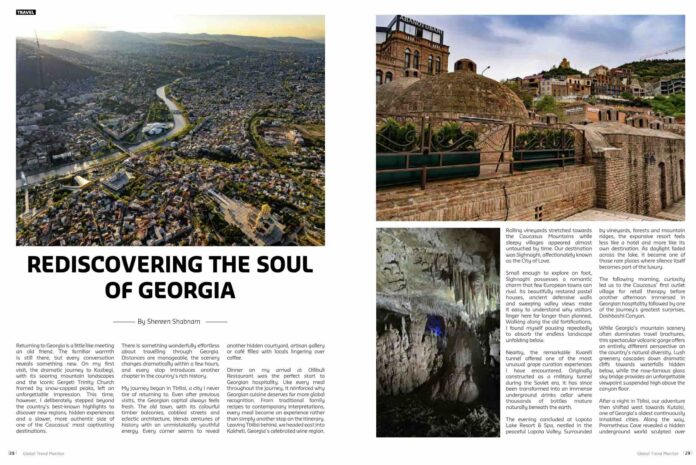
My journey began in Tbilisi, a city I never tire of returning to. Even after previous visits, the Georgian capital always feels fresh. The old town, with its colourful timber balconies, cobbled streets and eclectic architecture, blends centuries of history with an unmistakably youthful energy. Every corner seems to reveal another hidden courtyard, artisan gallery or café filled with locals lingering over coffee.
Dinner on my arrival at Oilibuli Restaurant was the perfect start to Georgian hospitality. Like every meal throughout the journey, it reinforced why Georgian cuisine deserves far more global recognition. From traditional family recipes to contemporary interpretations, every meal became an experience rather than simply another stop on the itinerary.
Leaving Tbilisi behind, we headed east into Kakheti, Georgia’s celebrated wine region. Rolling vineyards stretched towards the Caucasus Mountains while sleepy villages appeared almost untouched by time. Our destination was Sighnaghi, affectionately known as the City of Love.
Small enough to explore on foot, Sighnaghi possesses a romantic charm that few European towns can rival. Its beautifully restored pastel houses, ancient defensive walls and sweeping valley views make it easy to understand why visitors linger here far longer than planned. Walking along the old fortifications, I found myself pausing repeatedly to absorb the endless landscape unfolding below.
Nearby, the remarkable Kvareli tunnel offered one of the most unusual grape curation experiences I have encountered. Originally constructed as a military tunnel during the Soviet era, it has since been transformed into an immense underground drinks cellar where thousands of bottles mature naturally beneath the earth.
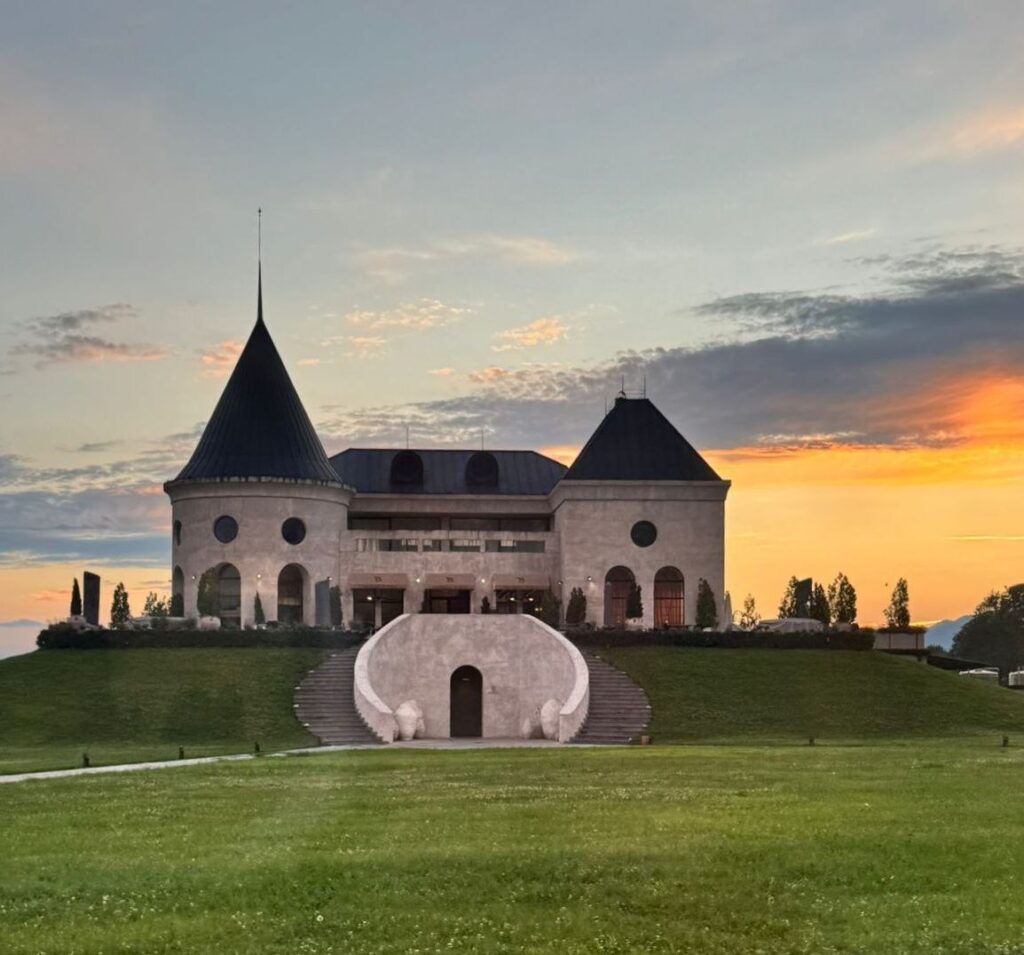
The evening concluded at Lopota Lake Resort & Spa, nestled in the peaceful Lopota Valley. Surrounded by vineyards, forests and mountain ridges, the expansive resort feels less like a hotel and more like its own destination. As daylight faded across the lake, it became one of those rare places where silence itself becomes part of the luxury.
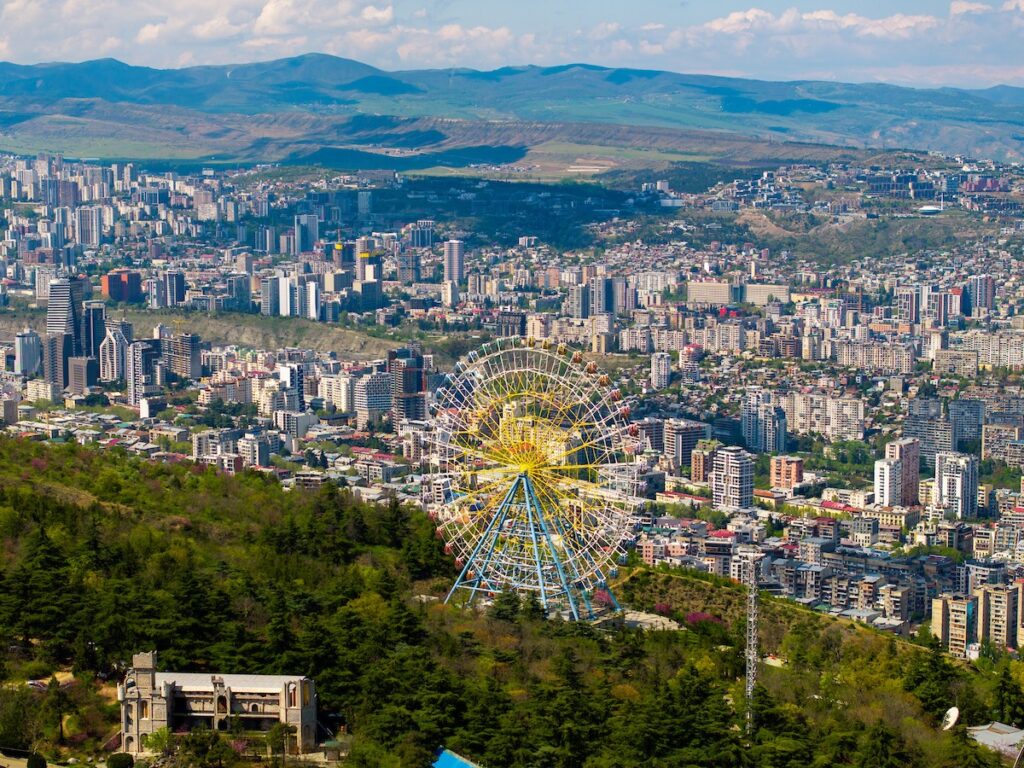
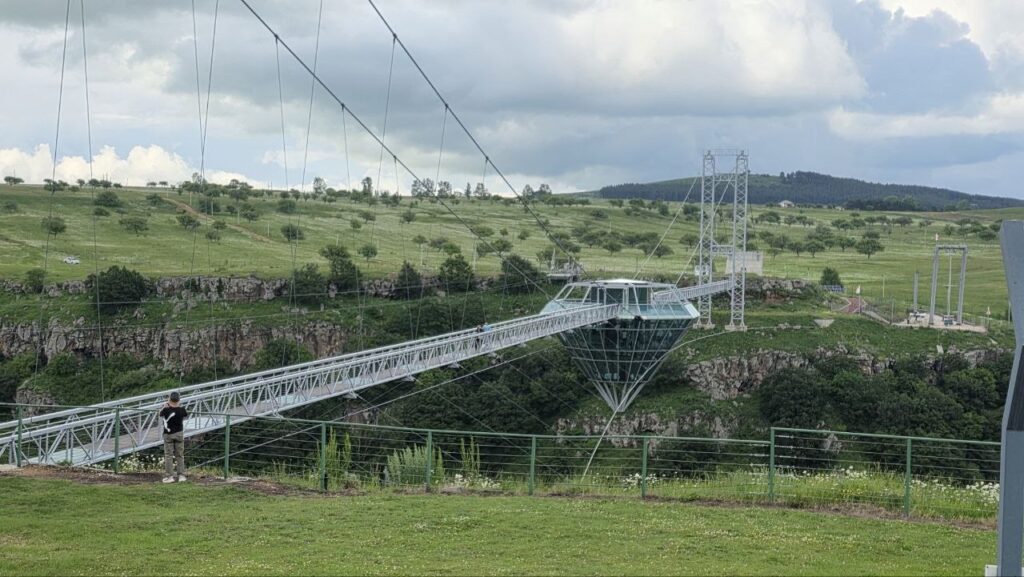
The following morning, curiosity led us to the Caucasus’ first outlet village for retail therapy before another afternoon immersed in Georgian hospitality followed by one of the journey’s greatest surprises, Dashbashi Canyon. While Georgia’s mountain scenery often dominates travel brochures, this spectacular volcanic gorge offers an entirely different perspective on the country’s natural diversity. Lush greenery cascades down dramatic cliffs towards waterfalls hidden below, while the now-famous glass sky bridge provides an unforgettable viewpoint suspended high above the canyon floor.
After a night in Tblisi, our adventure then shifted west towards Kutaisi, one of Georgia’s oldest continuously inhabited cities. Along the way, Prometheus Cave revealed a hidden underground world sculpted over millions of years. Towering stalactites, shimmering stalagmites and softly illuminated chambers create an almost surreal landscape that feels closer to fantasy than geology. Walking through the vast caverns is a reminder that some of nature’s greatest masterpieces remain hidden beneath our feet.
Kutaisi itself quickly became one of my favourite discoveries. We experienced Gemo Fest, the Georgian National Tourism Administration’s travelling gastronomic festival celebrating regional food traditions and local producers. Although I will save the country’s remarkable cuisine for another story, the festival offered a fascinating glimpse into how proudly Georgians preserve their culinary heritage.
Our boutique hotel, immediately charmed me with its intimate atmosphere, but it was an unexpected resident parked outside that truly caught my attention in form of a beautifully preserved powder-blue 1963 Volga. As someone who has spent decades writing about automobiles, stumbling across this elegant piece of Soviet motoring history was a delightful surprise. It felt entirely at home against Kutaisi’s timeless backdrop.
Returning to Tbilisi, I embraced one of the city’s oldest traditions at Gulo’s Thermal Spa in the historic Abanotubani district. Georgia’s famous sulfur baths have welcomed travellers for centuries, and soaking in the naturally heated mineral waters provided the perfect opportunity to slow down after several days of exploring. The experience felt authentic, restorative and deeply connected to the city’s identity.
The same day we had lunch at Kneina, a beautifully restored traditional Georgian home where lunch is prepared by an inspiring mother-and-son team. Rather than simply serving guests, they welcome visitors into their family story.
My final full day was spent wandering through the underground market, a treasure trove of antiques, vintage cameras, memorabilia, artwork and handcrafted souvenirs. Every stall seemed to tell another story about Georgia’s complex past, and browsing became an unexpected history lesson as much as a shopping experience.
Later, I wandered once again through Old Tbilisi, where ancient churches stand comfortably alongside synagogues, mosques and colourful wooden balconies overlooking winding streets. It remains one of Europe’s most visually distinctive historic quarters, constantly inviting visitors to slow down and simply observe everyday life unfolding around them.
My final evening ended at the wonderful Georgia House, where traditional music filled the dining room long into the night. Surrounded by locals and visitors alike, the live performances captured something difficult to describe but impossible to forget. It was the perfect farewell to a country where hospitality simply comes naturally and I hope to return for a road trip experience next, hopefully in a vintage car to add to the experience.
For More Information on Travelling in Georgia Visit – https://georgia.travel

