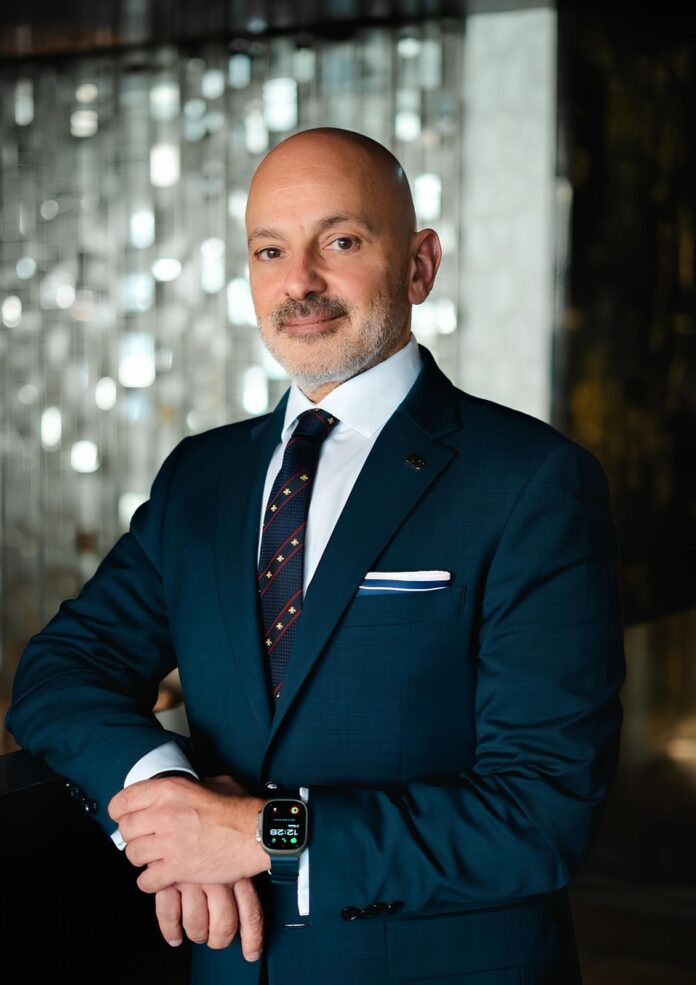

With more than two decades of experience across the Middle East’s most dynamic hospitality landscapes, Raffi Torikian has built a reputation as a commercially astute yet deeply people-focused leader. Now at the helm of Crowne Plaza Dubai Marina under IHG Hotels & Resorts, he brings a cross-functional background spanning sales, marketing, operations, and general management. In this conversation, Torikian reflects on the early experiences that shaped his leadership philosophy, the importance of balancing global brand standards with local relevance, and why emotional intelligence and adaptability will define the next generation of hotel leaders.
You have led hotels and commercial teams across some of the Middle East’s most competitive markets. Looking back, which experience most shaped your leadership style and why?
Early in my career at InterContinental Le Vendôme Beirut, I learned the importance of resilience and adaptability. Operating in a complex environment taught me that leadership is not about rigid control, but about clarity, trust, and calm decision-making under pressure. That experience shaped my belief that strong leaders must remain grounded, people-focused, and commercially aware, even in uncertain conditions.
Crowne Plaza Dubai Marina operates in one of the most dynamic hospitality districts in the region. How do you balance brand consistency with the need to localise guest experiences in such a fast-paced market?
Brand consistency provides the framework, but localisation delivers relevance. At Crowne Plaza Dubai Marina, we uphold IHG’s global standards while tailoring experiences to our diverse guest mix, business travellers, leisure guests, and long-stay visitors. This balance is achieved by empowering teams to understand local preferences, cultural nuances, and evolving guest expectations, while ensuring every touchpoint reflects the reliability and professionalism of the Crowne Plaza brand.
Your career spans sales, marketing, operations, and general management. How has this cross-functional experience influenced the way you make decisions as a General Manager today?
Having worked across multiple disciplines allows me to see the full picture. Decisions are never made in silos; commercial strategy, operational efficiency, and guest experience are deeply interconnected. This cross-functional background enables me to assess impact holistically, align departments around shared objectives, and ensure that short-term commercial gains never come at the expense of long-term brand value or team wellbeing.
People-first leadership is often cited as a value, but difficult to execute under commercial pressure. How do you translate this philosophy into daily operations without compromising performance?
People-first leadership is not separate from performance, it drives it. By investing in training, open communication, and clear accountability, teams feel trusted and motivated to deliver results. When colleagues understand how their role contributes to the hotel’s success, performance follows naturally. In challenging periods, transparency and consistency become even more important, ensuring teams remain engaged rather than reactive.
With Dubai’s hospitality landscape becoming increasingly saturated, what do you believe truly differentiates a successful hotel today—beyond design, location, and pricing?
True differentiation comes from consistency, service culture, and emotional connection. Guests remember how a hotel made them feel, not just how it looked. Successful hotels focus on personalised service, empowered teams, and operational excellence that delivers seamless experiences. In a competitive market like Dubai, trust and reliability are powerful differentiators.
You have overseen operations in different countries. What key differences do you see in guest expectations across these markets, and how should regional hotels adapt to them?
While expectations vary, whether it’s formality, speed of service, or personal interaction, the common thread is authenticity. Guests want experiences that feel genuine and culturally aware. Regional hotels must adapt by understanding both international brand expectations and local sensibilities, training teams to be flexible while maintaining consistent quality standards.
Looking ahead, what skills do you believe the next generation of hotel leaders must develop to remain relevant in an evolving industry?
Future leaders must combine emotional intelligence with digital fluency. The ability to lead diverse teams, interpret data effectively, and adapt to changing traveller behaviour will be critical. At the same time, strong commercial acumen and sustainability awareness will define long-term success. Leadership in hospitality will increasingly be about agility, empathy, and informed decision-making.

