
The Gulf Craft CEO on visionary leadership, modern Arabian luxury and why the future of yachting is about experiences rather than possessions
By Shereen Shabnam
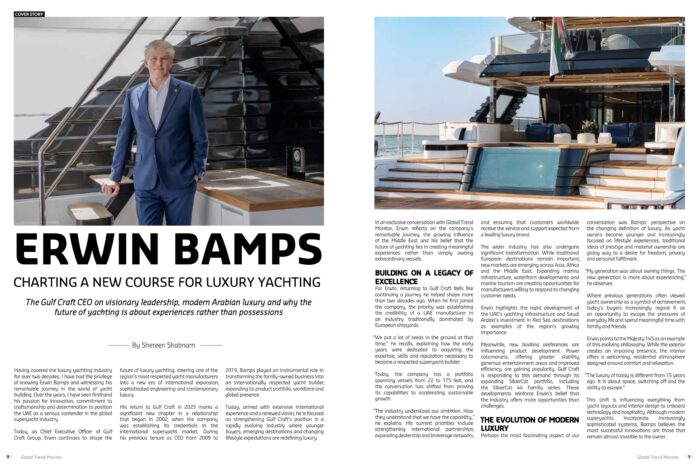
Having covered the luxury yachting industry for over two decades, I have had the privilege of knowing Erwin Bamps and witnessing his remarkable journey in the world of yacht building. Over the years, I have seen firsthand his passion for innovation, commitment to craftsmanship and determination to position the UAE as a serious contender in the global superyacht industry.
Today, as Chief Executive Officer of Gulf Craft Group, Erwin continues to shape the future of luxury yachting, steering one of the region’s most respected yacht manufacturers into a new era of international expansion, sophisticated engineering and contemporary luxury.
His return to Gulf Craft in 2025 marks a significant new chapter in a relationship that began in 2002, when the company was establishing its credentials in the international superyacht market. During his previous tenure as CEO from 2009 to 2019, Bamps played an instrumental role in transforming the family-owned business into an internationally respected yacht builder, expanding its product portfolio, workforce and global presence.
Today, armed with extensive international experience and a renewed vision, he is focused on strengthening Gulf Craft’s position in a rapidly evolving industry where younger buyers, emerging destinations and changing lifestyle expectations are redefining luxury.
In an exclusive conversation with Global Trend Monitor, Erwin reflects on the company’s remarkable journey, the growing influence of the Middle East and his belief that the future of yachting lies in creating meaningful experiences rather than simply owning extraordinary vessels.
BUILDING ON A LEGACY OF EXCELLENCE
For Erwin, returning to Gulf Craft feels like continuing a journey he helped shape more than two decades ago. When he first joined the company, the priority was establishing the credibility of a UAE manufacturer in an industry traditionally dominated by European shipyards.
“We put a lot of seeds in the ground at that time,” he recalls, explaining how the early years were dedicated to acquiring the expertise, skills and reputation necessary to become a respected superyacht builder.
Today, the company has a portfolio spanning vessels from 22 to 175 feet, and the conversation has shifted from proving its capabilities to accelerating sustainable growth.
“The industry understood our ambition. Now they understand that we have the capability,” he explains.
His current priorities include strengthening international partnerships, expanding dealership and brokerage networks, and ensuring that customers worldwide receive the service and support expected from a leading luxury brand.
The wider industry has also undergone significant transformation. While traditional European destinations remain important, new markets are emerging across Asia, Africa and the Middle East. Expanding marina infrastructure, waterfront developments and marine tourism are creating opportunities for manufacturers willing to respond to changing customer needs.
Erwin highlights the rapid development of the UAE’s yachting infrastructure and Saudi Arabia’s investment in Red Sea destinations as examples of the region’s growing importance.
Meanwhile, new boating preferences are influencing product development. Power catamarans, offering greater stability, generous entertainment areas and improved efficiency, are gaining popularity. Gulf Craft is responding to this demand through its expanding SilverCat portfolio, including the SilverCat 44 Family series. These developments reinforce Erwin’s belief that the industry offers more opportunities than challenges.
THE EVOLUTION OF MODERN LUXURY
Perhaps the most fascinating aspect of our conversation was Bamps’ perspective on the changing definition of luxury. As yacht owners become younger and increasingly focused on lifestyle experiences, traditional ideas of prestige and material ownership are giving way to a desire for freedom, privacy and personal fulfilment.
“My generation was about owning things. The new generation is more about experiencing,” he observes.
Where previous generations often viewed yacht ownership as a symbol of achievement, today’s buyers increasingly regard it as an opportunity to escape the pressures of everyday life and spend meaningful time with family and friends.
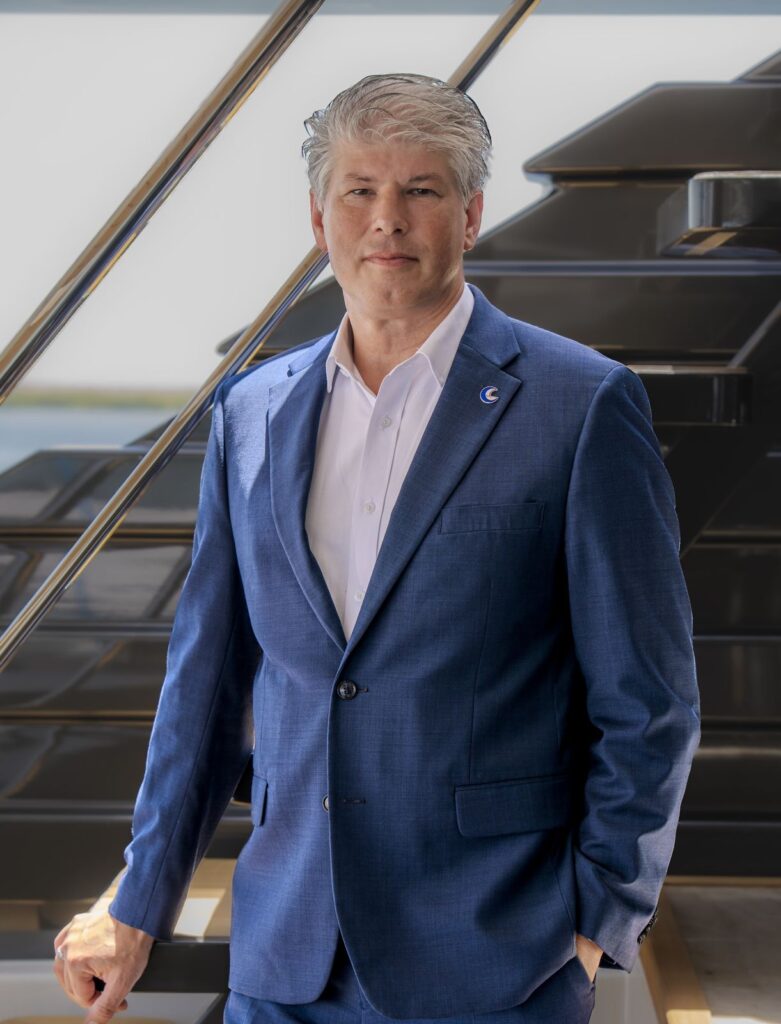
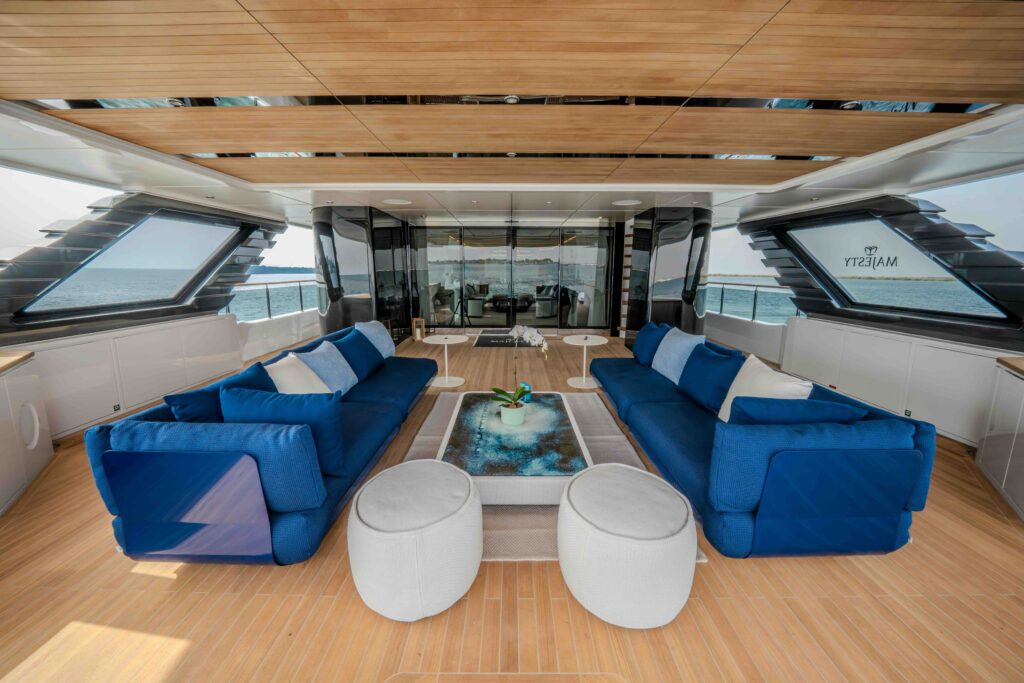
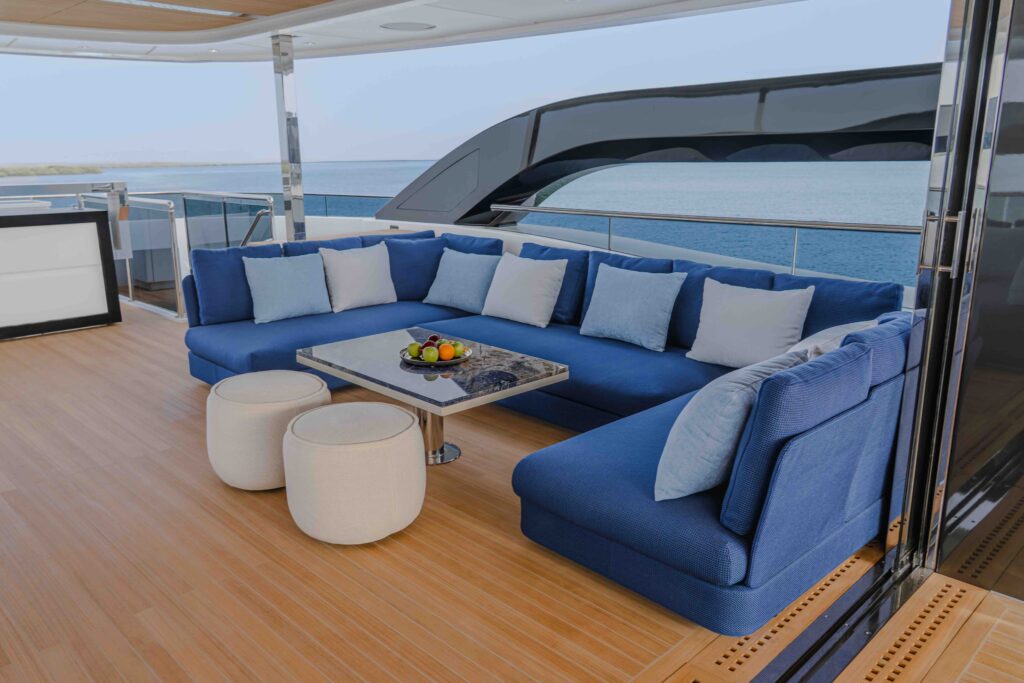
Erwin points to the Majesty 145 as an example of this evolving philosophy. While the exterior creates an imposing presence, the interior offers a welcoming, residential atmosphere designed around comfort and relaxation.
“The luxury of today is different from 15 years ago. It is about space, switching off and the ability to escape.”
This shift is influencing everything from yacht layouts and interior design to onboard technology and hospitality. Although modern superyachts incorporate increasingly sophisticated systems, Bamps believes the most successful innovations are those that remain almost invisible to the owner.
He compares the experience to using a smartphone, where extraordinary technological complexity is concealed behind an intuitive interface. Similarly, yacht owners expect effortless control of sophisticated onboard systems without complicated instructions or unnecessary distractions. The emphasis is increasingly on comfort, exceptional service and the overall experience rather than simply performance figures.
Erwin also recognises the delicate balance between engineering excellence and emotional design. Owners may admire beautiful marble, luxurious leather and carefully crafted interiors without considering the extensive technical expertise required to create such an environment.
He compares this to staying in a luxury hotel, where guests remember the ambience, views and hospitality rather than the complex infrastructure operating behind the scenes. For Gulf Craft, the objective is to make advanced engineering feel effortless, allowing owners to focus entirely on enjoying their time on board.
BRINGING MODERN ARABIAN LUXURY TO THE WORLD
One of Erwin’s strongest convictions is that the Middle East has an increasingly influential role in shaping the global luxury yachting industry. Having participated in international industry discussions alongside leading European manufacturers, he believes Gulf Craft brings a distinctive regional perspective to yacht design, craftsmanship and hospitality.
“Luxury in Dubai is not the same as luxury in New York or luxury in London,” he explains.
For Erwin, Dubai represents a compelling combination of traditional Arabian hospitality, contemporary design, exceptional service and ambitious innovation. He describes this identity as modern Arabian luxury, where heritage and modernity come together to create memorable experiences. International customers increasingly associate Dubai with extraordinary hospitality and distinctive luxury offerings. Consequently, their expectations of UAE brands have evolved considerably.
Two decades ago, Gulf Craft had to demonstrate that a manufacturer from Dubai could build world-class luxury yachts. Today, customers expect innovation and originality precisely because the company comes from the UAE. That transformation brings both opportunity and responsibility. “Our role is to bring a new style of luxury to yachting,” Erwin says.
He also believes that the people behind the product are fundamental to delivering this experience. From skilled engineers and craftspeople to customer-facing teams, the company’s ability to create meaningful relationships is as important as the yachts themselves.
CHARTING THE NEXT CHAPTER
Looking ahead, Erwin is particularly interested in understanding how different cultures experience yachting. Rather than assuming traditional European boating habits should define the global industry, he believes manufacturers must listen more carefully to customers in emerging markets.
Vietnam, Indonesia and other Southeast Asian destinations are among the markets attracting Gulf Craft’s attention, offering opportunities to understand new approaches to yacht ownership and leisure. For Bamps, the starting point is simple: understanding what customers genuinely value.
Yachting in Monaco differs considerably from yachting in Dubai or Hong Kong. Climate, culture, lifestyle and social habits influence how vessels are used, and manufacturers must recognise these differences when developing products.
In Dubai, for example, yachts can serve as extensions of business and social environments, providing distinctive settings for meetings, entertaining and private gatherings.
Rather than telling customers how they should experience yachting, Erwin wants Gulf Craft to understand how they would like to enjoy life on the water. This customer-led approach will influence the company’s future product development, international expansion and design philosophy.
With a strong engineering background, extensive global experience and a hands-on leadership style, Erwin is well positioned to guide Gulf Craft through its next chapter. Yet, perhaps the most compelling aspect of his vision is the recognition that luxury is no longer defined solely by craftsmanship, size or exclusivity. It is increasingly about creating environments that allow people to disconnect, explore and enjoy experiences that truly matter.
Gulf Craft’s ambition today is considerably greater as under Erwin Bamps’ leadership, it is seeking not merely to build exceptional yachts but to influence how luxury yachting itself is understood and experienced. For Erwin, the future of yachting is not simply about owning extraordinary vessels. It is about creating extraordinary experiences.
#GlobalTrendMonitor #DubaiBoatShow #DIBS2026 #DIBS #GulfCraft #ErwinBamps #LuxuryYachting #Superyachts #YachtLifestyle #ModernArabianLuxury #UAEInnovation #LuxuryLifestyle #YachtingIndustry

