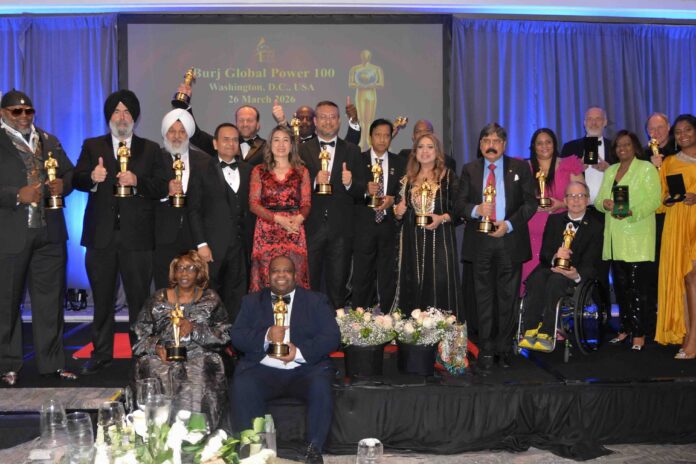

Power, increasingly, is no longer defined by position alone. It is measured by access, networks, and the ability to translate ideas into global impact. That shift was on full display this week in Washington, DC, where the Burj Global Power 100 Gala & Global Power Summit convened a cross-section of leaders operating at the intersection of business, policy, and innovation.
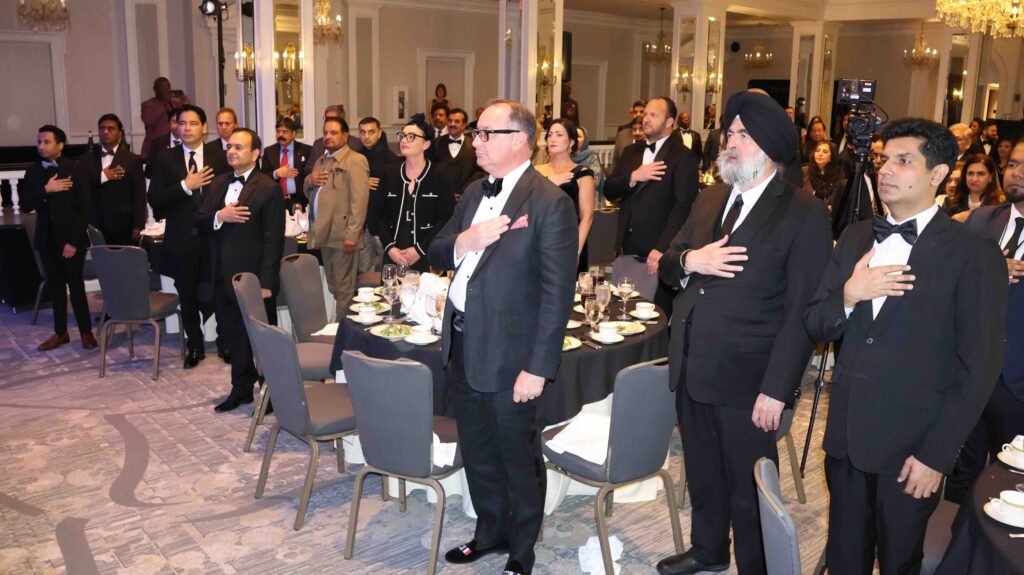
Held at the historic Mayflower Hotel, the gathering—hosted by CEO Clubs Network—offered a lens into how influence is being restructured in a more interconnected world. Under the theme “Powering Progress: Influence, Impact & Global Leadership,” the event moved beyond the format of a traditional conference, functioning instead as a curated platform for alignment across sectors and geographies.
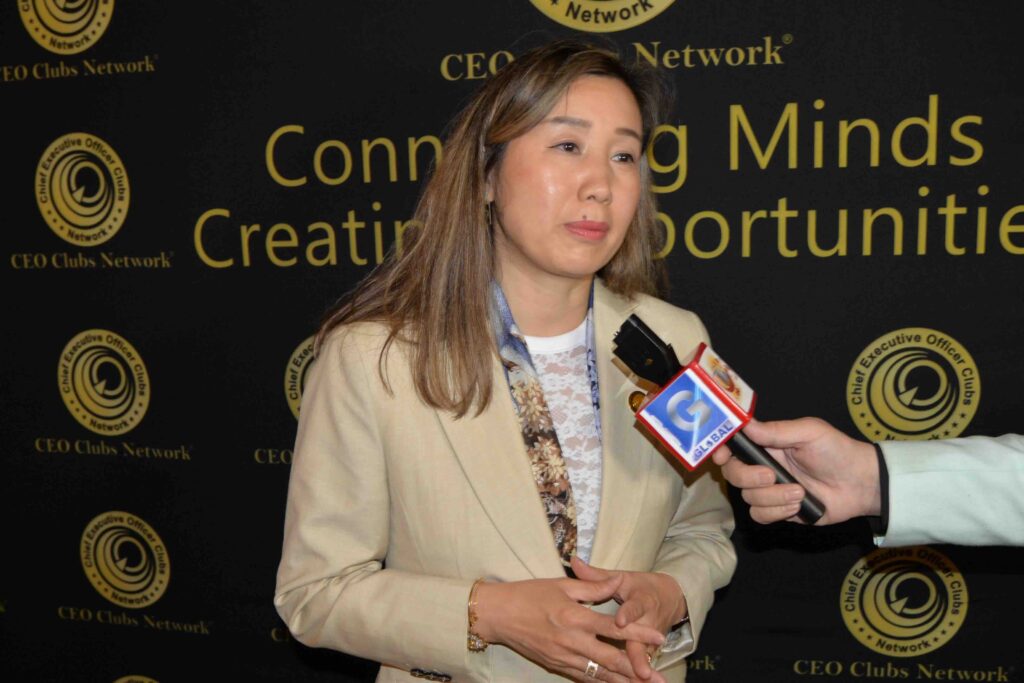
“We are not just creating a platform for dialogue—we are building a global ecosystem where relationships translate into real opportunities, and influence drives measurable outcomes,” said Sarah Dong, Managing Partner of CEO Clubs Network. She added, “A similar program will be hosted in Shanghai, China, from April 21–25 to mark the second edition of 2026.”
Conversations throughout the Summit reflected a global economy in transition. Artificial intelligence, capital mobility, energy transformation, and sustainable investment were not treated as isolated topics, but as interdependent forces shaping the next decade of leadership.
Participants included public and private sector figures such as Reta Jo Lewis, Damon A. Hagan, and Henry C. Eickelberg, whose perspectives bridged regulatory frameworks, financial systems, and governance priorities.
They were joined by a diverse group of founders, executives, and institutional leaders contributing to the broader dialogue, including Timothy R. McAuley, MS, PhD (Founder & CEO, CHANGE Environmental); Rory A. Cooper, PhD, PLY (CEO & Founding Director, Human Engineering Research Laboratories); Dr. Surinder Singh Gill (Chairman, International Forum USA); Rafael Flores (Chief Product Officer, Treasure AI); Anthony Berryhill, FRSA (Founder & CEO, Elite College Hacker); Dr. Ghoham Mujtaba (Chairman, The Pakistan Policy Institute USA – PPI-USA); César Ndéma-Moussa (President, North South Development Roots and Culture Canada); and other top leaders from around the globe.
If the daytime sessions focused on ideas, the evening Gala underscored recognition as a strategic instrument. The Burj Global Power 100 Ceremony honored 30 CEOs and entrepreneurs among a select audience of 200 global guests—highlighting a cohort of leaders defined less by legacy structures and more by their capacity to operate across borders and industries.
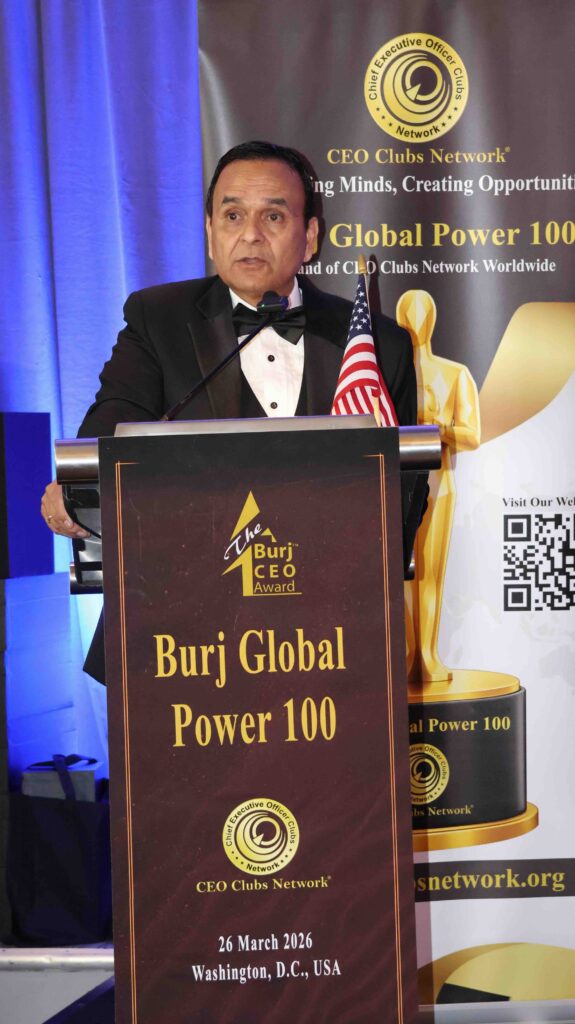
“In today’s environment, influence carries responsibility,” said Tariq Nizami, Founder and CEO of CEO Clubs Network. “The defining leaders of this era are those who can convert access into action and vision into measurable outcomes.”
What emerged from the gathering was a clear signal: leadership is no longer siloed. It is networked, cross-border, and increasingly collaborative.
As geopolitical and economic systems continue to evolve, platforms like the Burj Global Power 100 offer a glimpse into how the next generation of global influence is being shaped—not in isolation, but through deliberate connection.

